
Birth and Early Life
Shitalnath Swami was born in Bhaddilpur (present-day Bhadrikapuri) to King Dridhratha and Queen Nanda. His birth was marked by auspicious signs and divine celebrations, symbolizing the arrival of a soul destined to guide countless beings on the path of righteousness. The name Shitalnath itself means “Lord of Coolness” or “Bringer of Peace,” reflecting the serenity he would bring to the world.
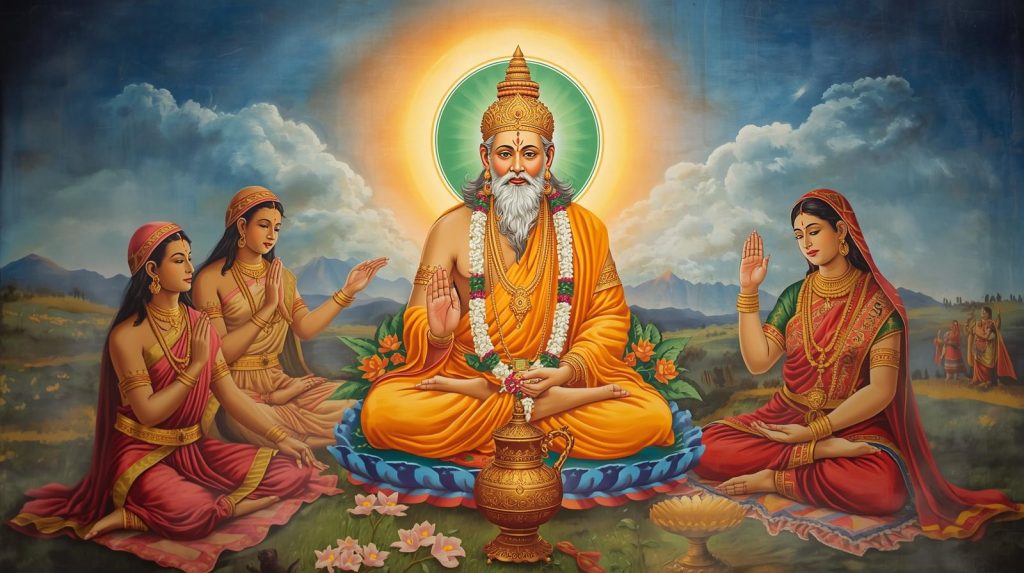
From childhood, Shitalnath displayed extraordinary qualities of compassion, patience, and detachment from worldly desires. While others sought material comforts, he naturally inclined toward meditation and reflection. His gentle presence was said to calm conflicts and bring harmony even among those with opposing views.
Renunciation and Spiritual Path
Despite being born into royalty, Shitalnath Swami recognized the impermanent nature of worldly pleasures. He renounced his princely life and embarked on a spiritual journey, embracing asceticism with unwavering determination. His renunciation became an example of courage, showing that true peace lies not in possessions but in self-realization.
Through deep meditation and self-discipline, Shitalnath Swami overcame worldly attachments and conquered the inner enemies of anger, pride, deceit, and greed. His life reflected the Jain principles of Ahimsa (non-violence), Satya (truth), Aparigraha (non-possessiveness), and Shanti (peace).
Attainment of Keval Jnana
After years of spiritual practices and penance, Shitalnath Swami attained Keval Jnana (omniscience), the ultimate state of knowledge that reveals the truth of the universe. With this supreme wisdom, he became a guiding light for his followers, teaching them the path to liberation. His sermons emphasized compassion toward all living beings and the importance of living in harmony with nature.
Teachings and Philosophy
The teachings of Shitalnath Swami revolve around simplicity, peace, and detachment. Some of his core messages include:
- Non-Violence as the Highest Virtue: True strength lies in protecting life, not in destroying it.
- Peaceful Living: Inner calmness leads to outer harmony. A peaceful mind can heal conflicts and spread positivity.
- Detachment from Worldly Pleasures: Real happiness does not come from wealth or power but from self-realization.
- Universal Compassion: Every soul, no matter how small, deserves respect, kindness, and protection.
His emphasis on living a balanced life, free from anger and attachment, continues to guide spiritual seekers even in the modern world.
Legacy of Shitalnath Swami
Tirthankar Shitalnath Swami’s legacy is preserved in Jain temples, scriptures, and the practices of his followers. Magnificent temples dedicated to him, adorned with intricate carvings and sacred idols, serve as places of pilgrimage for devotees who wish to connect with his divine energy.
Even today, his life and philosophy resonate with people searching for peace in a fast-paced, chaotic world. By following his teachings, one can cultivate inner calmness, nurture compassion, and progress on the path toward Moksha (liberation).
Conclusion
The life of Tirthankar Shitalnath Swami is not just a historical account but a spiritual guidebook for humanity. His teachings remind us that peace begins within, and when practiced sincerely, it radiates outward to heal the world. By embracing his principles of non-violence, truth, and compassion, we can walk closer to liberation and contribute to a more harmonious society.