
1. The Prince Who Chose Peace Over Power
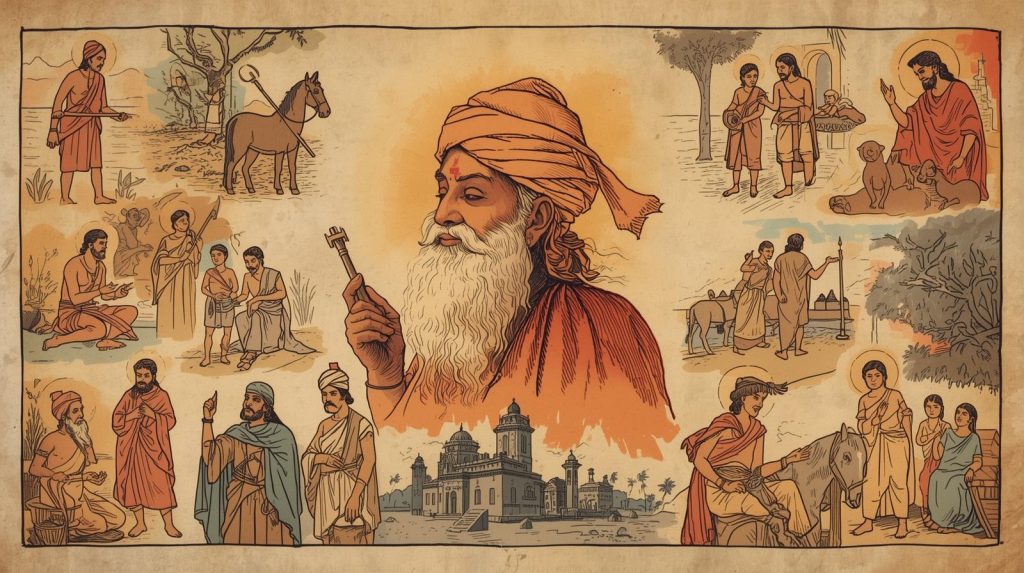
As the son of King Dridhratha and Queen Nanda, young Shitalnath was expected to follow in his father’s footsteps and rule with authority. However, even as a child, he displayed a natural inclination toward peace.
It is said that whenever disputes broke out in the royal court, the mere presence of Shitalnath calmed both parties. His words were simple, yet filled with wisdom, and his peaceful nature transformed anger into understanding. This early sign showed that his destiny was not to rule a kingdom with power, but to guide the world with peace.
Moral: True leadership is not about dominance, but about bringing harmony.
2. The Parable of the Cool Breeze
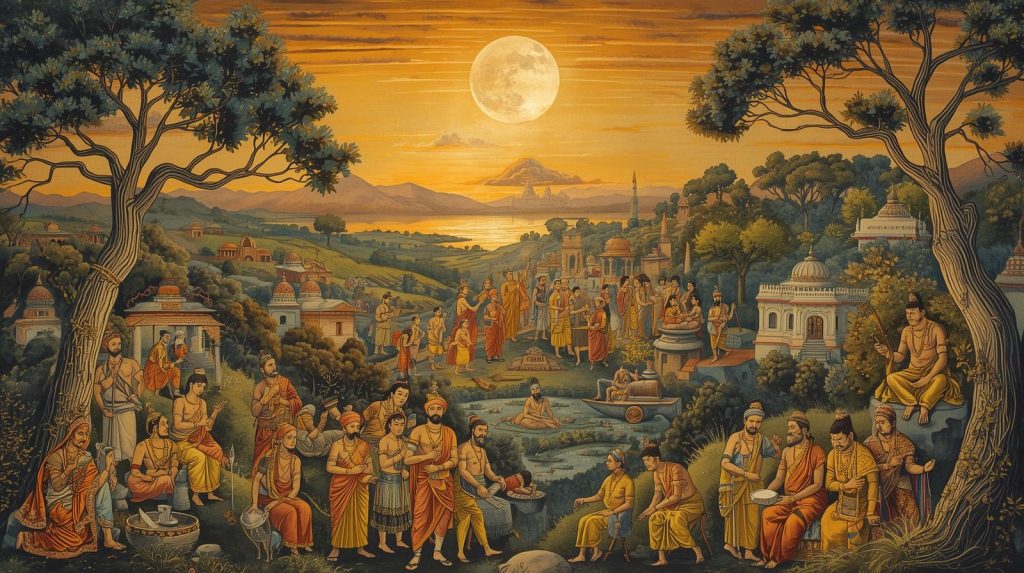
Once, during a hot summer, people in Bhaddilpur were distressed by heat and drought. While others worried, Shitalnath remained calm and encouraged everyone to practice patience and unity. He assured them that by working together, they could overcome hardships.
His soothing presence was compared to a cool breeze that brings relief during scorching heat. This parable later became symbolic of his role in Jain Dharma — the one who brings calmness to a world suffering from the heat of anger, greed, and ignorance.
Moral: Inner peace has the power to comfort others in times of distress.
3. The Renunciation of Royal Life
When the time came to ascend the throne, Shitalnath shocked the royal family and ministers by refusing kingship. He explained that worldly pleasures and power are fleeting, and that true happiness lies in renunciation. Leaving behind all luxuries, he chose the life of an ascetic.
This act of renunciation became one of the defining stories of his life. While many feared the loss of comfort, Shitalnath saw it as liberation — freedom from attachment and a step closer to self-realization.
Moral: Detachment from temporary pleasures opens the path to eternal peace.
4. Attainment of Keval Jnana (Omniscience)
After years of penance and meditation, Shitalnath attained Keval Jnana (omniscience) under a sacred tree. Legends say that when he achieved this state, an aura of peace spread across the land. Even animals who were natural enemies — like lion and deer — sat together calmly in his presence, reflecting the harmony he brought to creation.
From this point onward, he shared his divine knowledge with all, guiding people on the path of non-violence, truth, and compassion.
Moral: Spiritual wisdom transforms not only the self but also the world around us.
5. The Parable of Cooling the Flames of Anger
One of the most popular parables tells of a villager consumed by anger, who came to test Shitalnath’s patience. Despite insults and provocations, Shitalnath remained calm, speaking with kindness and compassion. His peaceful response dissolved the villager’s anger, filling him with shame and admiration.
This story beautifully illustrates the meaning of his name — just as water extinguishes fire, Shitalnath’s calmness cooled the flames of anger in others.
Moral: Patience and compassion are stronger than anger and hatred.
Conclusion
The stories and parables from the life of Tirthankar Shitalnath Swami are not just tales of the past but eternal lessons for all humanity. They remind us that peace is the greatest strength, detachment leads to liberation, and compassion can heal even the deepest wounds.
By reflecting on his life, we are encouraged to cultivate coolness in our own hearts, spreading peace like a soothing breeze in a troubled world. 🌿✨