
Symbolism in Temple Architecture
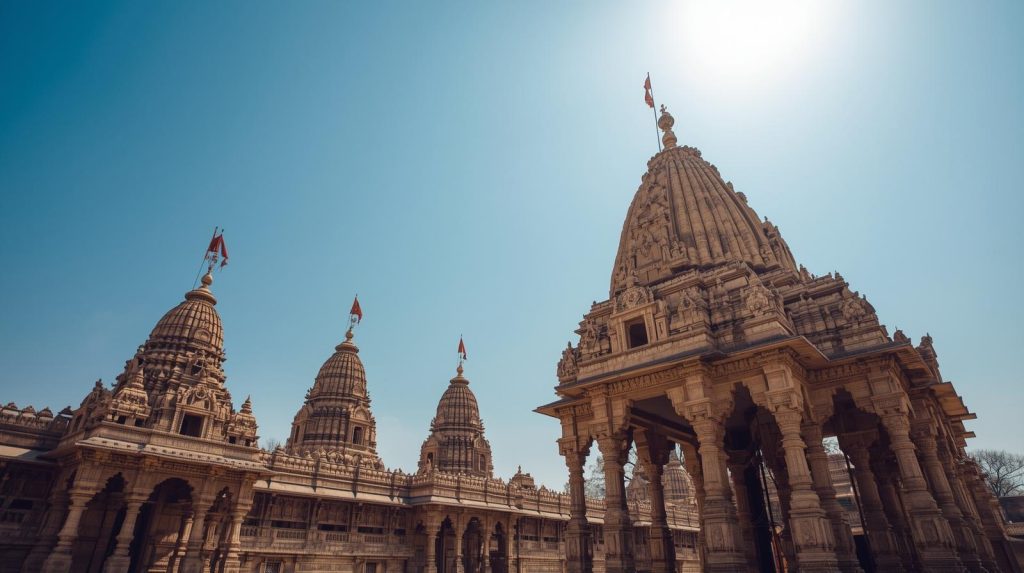
Jain temple architecture is deeply symbolic, and the shrines of Shitalnath Swami are no exception. The temples often feature:
- Intricate Marble Carvings: Representing purity of the soul and artistic devotion.
- Domes and Shikharas (spires): Pointing upwards, symbolizing the soul’s journey toward liberation.
- Carved Pillars: Lined with motifs of lotus, elephants, and divine beings, signifying strength, compassion, and purity.
- Peaceful Idols: The idol of Shitalnath Swami is depicted with a calm, meditative expression — a direct reflection of his name, “Shital,” meaning coolness and tranquility.
These features combine art with spirituality, creating a sacred space where devotees can connect with the ideals of Jain Dharma.
Famous Temples of Shitalnath Swami
1. Shitalnath Temple, Kolkata (West Bengal)
Located in the bustling city of Kolkata, this temple is one of the most prominent shrines dedicated to Shitalnath Swami. Built in the 19th century by the wealthy Jain community, the temple is a masterpiece of marble architecture. Its glasswork, mosaics, and ornate decorations make it a unique blend of devotion and artistry.
- The main sanctum houses the idol of Shitalnath Swami in white marble.
- The temple complex also includes lush gardens and reflecting ponds, enhancing its aura of peace.
2. Shitalnath Jain Temple, Bhadrak (Odisha)
This temple is said to be built near the region believed to be Shitalnath’s birthplace. The structure stands as a reminder of his divine presence, with carvings narrating events from his life. Pilgrims visit here to honor his memory and seek inner calmness.
3. Temples in Rajasthan and Gujarat
Jain communities across Rajasthan and Gujarat have constructed several temples for Shitalnath Swami, each adorned with intricate marble carvings, silver doors, and jeweled idols. These temples serve as both architectural marvels and centers of spiritual learning.

Unique Artistic Elements
The architectural beauty of Shitalnath temples lies in their unique details:
- Use of White Marble: Symbolizing purity and spiritual coolness.
- Mirror Work & Mosaic Art: Seen particularly in Kolkata’s Shitalnath Temple, representing clarity of vision and the brilliance of truth.
- Carved Ceilings: Depicting celestial beings, floral designs, and Jain cosmology.
- Peaceful Ambience: The temple courtyards and gardens are designed to create an atmosphere of serenity for meditation.
Spiritual and Cultural Importance
Beyond their beauty, these temples are vibrant centers of faith and culture. They host festivals such as Shitalnath Janma Kalyanak, where rituals, processions, and charity events take place. Devotees believe that visiting these temples brings spiritual peace, clarity, and relief from the “heat” of worldly worries — echoing the symbolism of Shitalnath’s name.
Conclusion
The architectural beauty of Shitalnath Jain temples is more than a visual delight — it is a spiritual experience. Every carving, dome, and idol reflects the values of calmness, purity, and devotion. These temples stand as timeless monuments to Shitalnath Swami’s legacy, inviting devotees and visitors alike to step into a world of peace and tranquility.
Through their design and atmosphere, the temples remind us that just as marble is shaped into sacred art, the human soul can be shaped into serenity and purity through the teachings of Shitalnath. 🌿✨