
Ahimsa in Jain Dharma: A Foundational Principle
For Jains, Ahimsa is not limited to avoiding physical harm but extends to thoughts, words, and actions. It teaches respect for all forms of life — from humans and animals to the tiniest of microorganisms. Shitalnath Swami reinforced this principle, making it central to his path of liberation.
By practicing Ahimsa, he demonstrated that true strength lies not in domination, but in compassion and restraint.
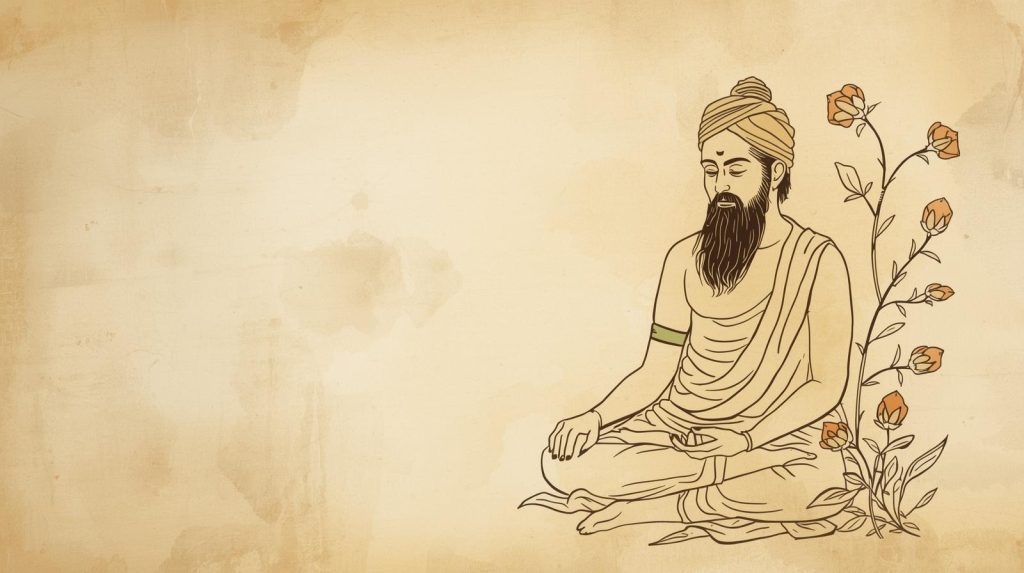
Shitalnath Swami’s Life as an Example of Non-Violence
1. Peace in Childhood
As a prince, Shitalnath was known for his gentle nature. When disputes arose in the royal court, his calm words dissolved tensions. Rather than using force, he inspired reconciliation, showing that peace was a more powerful solution than conflict.
2. Renunciation of Power
Instead of ruling with authority, Shitalnath chose renunciation, proving that detachment and self-restraint were stronger than control or conquest. His act of giving up power itself was an expression of non-violence — freeing himself from the bondage of ego and materialism.
3. Preaching Compassion for All Beings
After attaining Keval Jnana (omniscience), Shitalnath emphasized compassion toward every living being. His sermons highlighted that violence, even in thought, binds the soul with karma, while compassion purifies it. He urged devotees to see all life as interconnected and sacred.
Teachings of Shitalnath Swami on Ahimsa
- Ahimsa as the Highest Dharma: To protect life is the greatest religious duty.
- Control of Anger: Anger is the root of violence. Cultivating patience brings peace within and without.
- Compassion in Action: Acts of kindness — such as feeding animals, practicing charity, and forgiving others — are practical expressions of Ahimsa.
- Spiritual Liberation through Non-Violence: Violence leads to karmic bondage, while Ahimsa paves the way to Moksha (liberation).
These teachings are woven into Jain scriptures and rituals, making Ahimsa not just a philosophy but a way of life.
Ahimsa in Practice: Rituals and Festivals
The rituals honoring Shitalnath Swami often emphasize peace and compassion. Devotees engage in:
- Fasting and self-restraint to avoid harm to living beings.
- Charity and animal welfare as acts of non-violence.
- Prayers for world peace, reflecting the cooling, soothing qualities of Shitalnath’s teachings.
In this way, his legacy of Ahimsa is practiced daily, not just remembered.
Relevance of Shitalnath’s Ahimsa in the Modern World
Today’s society struggles with conflict, exploitation of nature, and violence at many levels. Shitalnath Swami’s message of Ahimsa offers timeless solutions:
- For Individuals: Cultivating peace of mind reduces stress, anger, and destructive habits.
- For Communities: Practicing non-violence fosters harmony, tolerance, and mutual respect.
- For the Planet: Living with compassion encourages sustainability, protecting animals, and preserving nature.
His life shows that peace is not passive — it is an active force that can heal divisions and bring balance to the world.
Conclusion
Tirthankar Shitalnath Swami’s role in promoting Ahimsa is not limited to his era — it is a universal message for all times. Through his peaceful presence, renunciation of power, and compassionate teachings, he became a guiding light for those seeking liberation through non-violence.
By embracing his path, we not only honor his legacy but also take meaningful steps toward creating a more peaceful, compassionate, and harmonious world. 🌿✨