
Ahimsa in the Teachings of Shitalnath Swami
Shitalnath emphasized that non-violence is more than avoiding physical harm; it also requires purity of thoughts and speech. Hurting someone with harsh words or harboring ill-will is as damaging as physical violence because it binds the soul with negative karma. His sermons encouraged followers to:
- Treat all beings, from humans to the smallest organisms, with equal respect.
- Cultivate forgiveness as the antidote to anger.
- Practice self-restraint to prevent unintentional harm.
- Recognize compassion as the highest expression of spirituality.
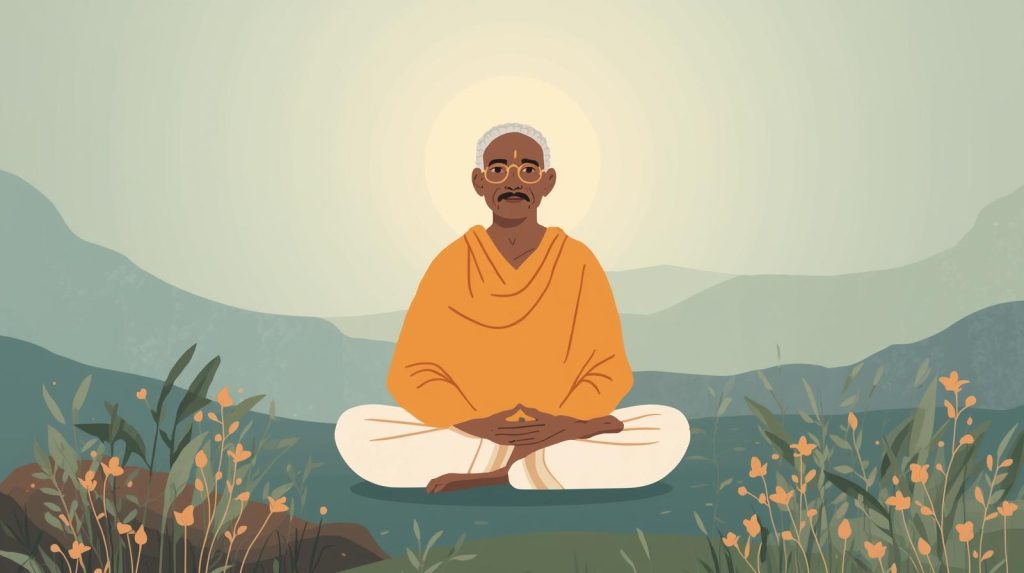
Life Examples of Non-Violence
1. The Gentle Prince
As a young prince, Shitalnath displayed extraordinary patience and kindness. When disputes arose in his kingdom, he resolved them through dialogue and reconciliation rather than punishment. His calm approach earned him respect as a leader who healed divisions instead of widening them.
2. Renunciation of Power
Choosing renunciation over royal power was itself a profound act of Ahimsa. By letting go of authority, wealth, and attachment, Shitalnath demonstrated that true peace comes not from control but from liberation from ego and material desires.
3. Preaching Universal Compassion
After attaining Keval Jnana (omniscience), Shitalnath devoted his teachings to spreading the idea that violence in any form obstructs spiritual progress. His words inspired followers to live harmoniously, respecting even the smallest life forms.

Ahimsa in Practice: Inspired by Shitalnath Swami
The Jain community continues to honor Shitalnath’s message through daily practices and rituals that reflect Ahimsa:
- Fasting and restraint: Reducing harm by limiting consumption.
- Animal welfare and charity: Extending compassion to all beings.
- Prayers for world peace: Channeling positive energy instead of conflict.
- Vegetarianism and veganism: Choosing diets that align with non-violence.
These practices remind followers that Ahimsa is not passive but an active discipline of kindness and awareness.
Relevance of Shitalnath’s Ahimsa Today
In today’s world of conflict, exploitation, and environmental crises, Shitalnath Swami’s emphasis on Ahimsa feels more urgent than ever:
- For individuals: It reduces stress and anger, fostering inner peace.
- For society: It encourages tolerance, harmony, and empathy.
- For nature: It inspires sustainable living and protection of the environment.
His teachings remind us that peace begins within and radiates outward, cooling the flames of violence in our world.
Conclusion
Shitalnath Swami’s role in promoting Ahimsa was not confined to his lifetime — it is a timeless spiritual message. Through his peaceful life, renunciation, and compassionate teachings, he showed that non-violence is both the path and the destination for those seeking Moksha (liberation).
To walk in his footsteps is to embrace peace, compassion, and universal respect — creating a life and a world that truly reflect the essence of Ahimsa. 🌿✨